
Security solutions
Screening & inspection
Screen. Detect. Control. The right technology, arranged around a checkpoint that people can actually move through.
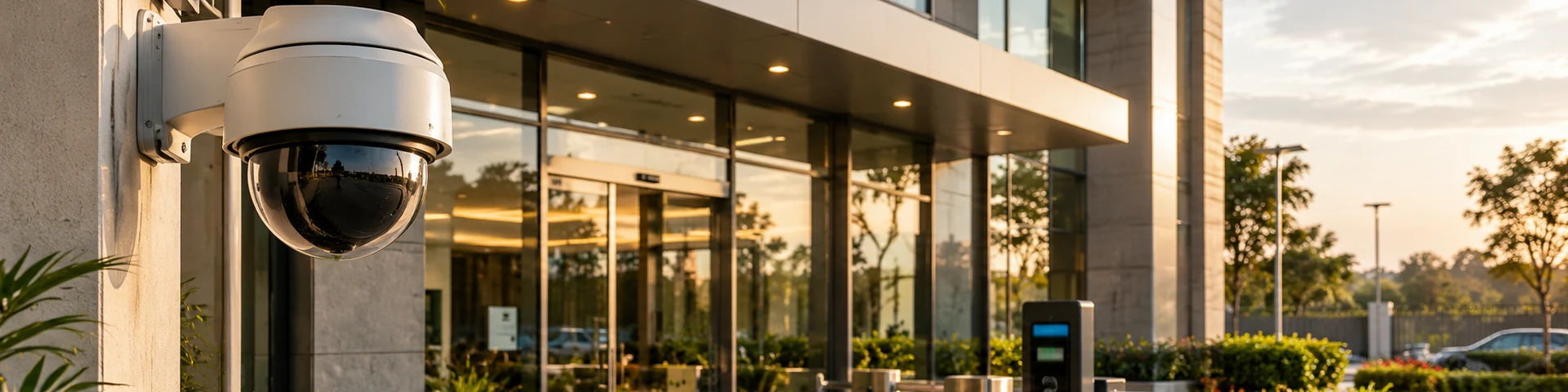
Screening is a process, not a scanner
Screening is an essential component of security wherever people, baggage, vehicles, cargo or goods must pass through a controlled environment. The equipment matters, but it is one part of a system: where the checkpoint sits, how traffic is separated, how many operators are required, what happens when an alarm sounds and how quickly a queue forms at the busiest hour of the day.
Logitech Consultants' screening portfolio brings together technologies for people, baggage, parcels, cargo and vehicles, and places them inside a checkpoint design that suits the site. We work from the throughput you need and the level of assurance you are trying to reach, then select and integrate the equipment that gets there without turning the entrance into a permanent queue.
Screening categories
-
01
People screening
Walk-through metal detectors, handheld detectors, people-screening systems and secondary screening positions, arranged so that a single alarm does not stop the whole entrance. Body-screening technologies are considered only where the operating policy calls for them, with privacy and staff-safety requirements agreed before anything is specified.
-
02
Baggage and luggage screening
X-ray baggage scanners for cabin and hold baggage, CT cabin-baggage screening where the requirement calls for it, and the trays, rollers and review stations around them.
-
03
Parcel and mail screening
Parcel and small-package screening for facilities that receive goods from outside their control, with a separate review point away from the main entrance.
-
04
Cargo and freight inspection
Cargo X-ray, pallet screening and freight inspection for logistics, ports and industrial sites where vehicles and loads rather than hand baggage are the risk surface.
-
05
Trace detection
Explosive and narcotics trace detection, and secondary inspection technologies, used at the point where an alarm or an intelligence-led check requires confirmation.
-
06
Vehicle inspection
Under-vehicle surveillance, vehicle X-ray, vehicle inspection systems and mobile inspection solutions for controlled vehicle checkpoints.
-
07
Checkpoint design and flow
Lane layout, queue management, tray handling, alarm resolution, staffing positions and the signage that tells a visitor what to do next.
Where screening succeeds or fails
Designing the checkpoint around the flow
Most screening problems are flow problems. If the checkpoint is too narrow, the queue backs into the street. If there is no secondary position, one alarm halts everything. If the tray return is in the wrong place, passengers and staff queue twice. We measure the peak arrival rate, agree the assurance level with your security team, and then lay out lanes, equipment and staffing to meet both.
- Peak throughput and acceptable queue time established before equipment selection
- Separate handling for staff, visitors, contractors and deliveries where volumes justify it
- Secondary screening position away from the primary flow, with a clear procedure
- Space for trays, wheelchairs, prams and oversized items
Integration and the record
Screening events are more useful when they join the rest of the security picture. Where the equipment supports it, we connect screening systems to access control, CCTV and command-and-control platforms so an alarm brings up the relevant camera and a visitor record reflects what passed through the checkpoint. The aim is an operator who can see the event and its context on one screen.
The people running it
Image interpretation is a skill, and it degrades when an operator watches a screen for hours without relief. We are explicit about operator requirements: how many positions the throughput needs, how rotations should work, what training is required for the equipment supplied, and how secondary inspection and escalation are handled. Technology that nobody is trained to use is an expensive obstacle at the entrance.
Implementation and support
Screening equipment is commissioned, trained and then lives in daily use. Support has to cover all three.
- Assessment of throughput, risk requirement and available space before any equipment is proposed.
- Installation planned around live operations, with temporary screening arrangements agreed where the main entrance must stay open.
- Commissioning with test pieces and realistic loads, plus alarm and secondary-inspection procedures walked through with the operators.
- Operator and supervisor training covering image interpretation, alarm resolution, record keeping and escalation.
- Maintenance covering calibration, image quality checks, conveyor and detector servicing, with a defined fault route and response.
- A route for future expansion: additional lanes, new screening categories or tighter assurance levels without rebuilding the checkpoint.
Questions we are asked
What level of screening do we actually need?
That is a risk decision for your organisation, informed by your sector, the threat picture and any regulatory requirement that applies. We help by explaining what each technology can and cannot detect, and what throughput it costs. We would rather implement the level you have chosen than default everyone to the maximum.
Will screening slow our entrance down?
It will change how the entrance performs, and design should account for that. A single lane handles a limited number of people per hour; if your peak is higher, the answer is more lanes, a separate staff route or a different assurance model. We size the checkpoint against measured arrivals rather than an average day.
Can we add screening to an existing entrance?
Often, but the constraint is usually space and power rather than equipment. We survey the entrance, work out what can be placed without blocking circulation or fire escape routes, and propose a layout that fits the building as it is.
Do you supply screening equipment directly?
We work with technology manufacturers, distributors and specialist partners to identify appropriate equipment for each requirement. The specific product, configuration and availability are confirmed against your site and requirement during the assessment stage.
What about maintenance and calibration?
Screening equipment needs routine checks to stay trustworthy: detector sensitivity, X-ray image quality, conveyor condition and the mechanical parts operators never think about until they fail. Our support agreements cover planned maintenance, fault response and the records your security audits will ask for.
Related capabilities
Let’s build the right solution
Tell us what you are trying to achieve. We will help you assess the requirement, shape the architecture and identify the technology needed to deliver it.