Systems Integration
One architecture across security, ICT, applications, communications and data.
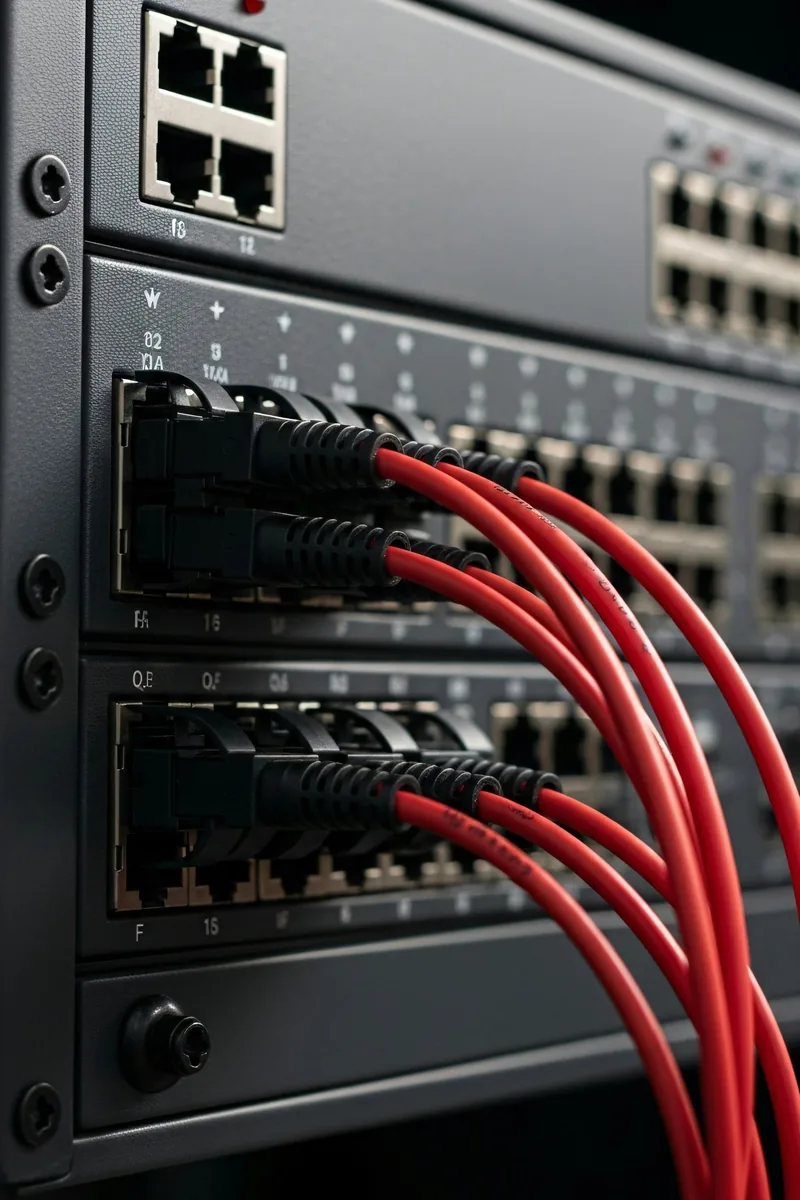
Systems integration
Technology works better when it works together.
Organizations rarely operate a single technology platform. We connect systems from different manufacturers and providers so that information and workflows can move across the operating environment in a planned way.
Integration is a design decision before it is a technical one: which system owns each record, which events matter, who acts on them and what happens when a link goes down.
What gets connected
-
Security systems
CCTV, access control, ANPR, intrusion detection, alarms, screening and vehicle control.
-
ICT infrastructure
Networks, servers, storage and connectivity that carry the traffic between those systems.
-
Business applications
Revenue, health, HR, ERP and custom applications that hold the operational record.
-
Communications
Voice, conferencing and collaboration so the right people are reachable when an event occurs.
-
Data
Reporting, analytics and audit trails built on information the systems already produce.
-
Users and operating processes
The teams, permissions and procedures that turn connected systems into a working operation.
One event, several systems
Security
CCTV identifies an event at the perimeter or entrance.
Access control
The system identifies the person or credential involved, where permissions support it.
ICT
The network carries the information between the connected systems.
Digital platform
The event is recorded and analysed where that is configured.
Command & control
Authorised personnel receive the relevant information in one view.
Management
Decision-makers access the data required to act.
One architecture. Multiple technologies.

What integration makes possible
An event in one system becomes an action in another: a camera alert checked against who is authorised, a payment posted to the ledger, a single view across sites. Interfaces are documented and tested before handover, and the support route is agreed up front.
API and middleware integration between systems
Single operational view across sites and platforms